Exercitation ullamco laboris nis aliquip sed conseqrure dolorn repreh deris ptate velit ecepteur duis.
Close
Get in touch
- Monday to Friday: 9am to 6pm
Error: Contact form not found.


Shifts in Traveler Behavior and Their Impact on Short-Term Rentals
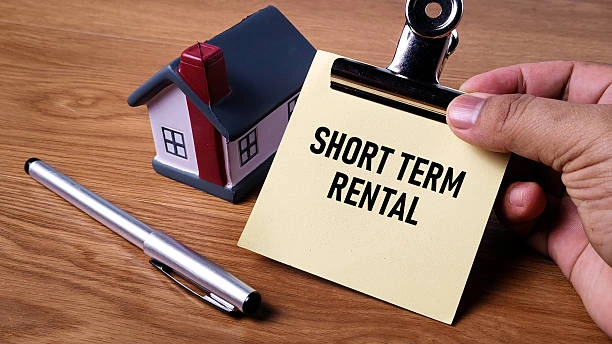
The short-term rental industry is entering a more experience-driven phase as traveler behavior short-term rentals continues to evolve. Guests are no longer choosing accommodation based only on location and price. They increasingly consider flexibility, privacy, amenities, local experiences, convenience, and whether a property matches the purpose of their trip.
The shift is visible across the U.S. travel market. The U.S. Travel Association forecasts that domestic leisure travel spending will reach about $909 billion in 2026, while also noting that travelers are expected to favor shorter-duration and lower-cost trips as travel costs remain a consideration.
For short-term rental owners, operators, and real estate investors, these changes create both challenges and opportunities. A property that matched guest expectations several years ago may need a different pricing strategy, amenity package, marketing approach, or operating model today.
Understanding these behavioral shifts can help owners make smarter decisions and create rentals that remain competitive in a changing market.
Travelers Are Taking More Flexible Trips
One of the clearest changes is the move toward flexible and shorter travel.
Instead of planning one large annual vacation, many travelers are taking multiple smaller trips. This creates demand for weekend escapes, regional getaways, and short leisure stays. Airbnb’s 2026 summer research found that one-third of travelers are choosing to stay closer to home, while rural retreats are gaining attention as travelers look for memorable experiences at potentially lower costs.
This trend can benefit short-term rentals in drive-to destinations. Guests may be more willing to book a two- or three-night stay when the destination is easy to reach.
For operators, that means minimum-stay policies should be reviewed regularly. A strict four- or five-night minimum may reduce booking opportunities during periods when travelers prefer quick getaways.
Dynamic pricing can also help. Rates can be adjusted based on demand, day of the week, season, local events, and booking pace rather than relying on a fixed nightly price throughout the year.
Shorter Booking Windows Are Changing Revenue Management
Traveler behavior is also affecting how far in advance guests make reservations.
Recent short-term rental performance data shows that booking windows have shortened in some U.S. markets, while average lengths of stay have also declined. This makes revenue management more dynamic because owners may need to respond to demand closer to the arrival date.
A shorter booking window does not necessarily mean weaker demand. It can indicate that travelers are becoming more comfortable making decisions closer to their trip.
For property managers, this creates a need for continuous monitoring. Instead of setting prices months ahead and leaving them unchanged, operators can review:
- Current occupancy
- Competitor pricing
- Remaining inventory
- Local events
- Day-of-week demand
- Booking pace
- Cancellation activity
- Last-minute demand
This approach allows owners to capture stronger rates during high-demand periods while using targeted discounts when necessary.
The Accommodation Is Becoming Part of the Experience
Travelers increasingly view the property itself as an important part of the vacation.
This is particularly significant for short-term rentals because a private home can offer features that are difficult to replicate in a conventional hotel room. Kitchens, outdoor areas, living rooms, private pools, game rooms, workspaces, and multiple bedrooms can make the accommodation an experience rather than simply a place to sleep.
Airbnb’s 2026 research on Gen Z travelers in India provides a strong illustration of this broader behavioral shift. The study found that 82% consider accommodation very or extremely important when planning a trip, while 78% spend at least half their trip time at their accommodation.
Although the research focuses on India, the underlying lesson is relevant to the wider short-term rental industry: the property itself can influence destination choice.
This means owners should market the experience, not just the room count.
Instead of saying that a rental has three bedrooms, marketing can explain how the layout works for families, friends, remote workers, or couples. Instead of simply listing a hot tub, owners can describe the relaxing experience it provides after a day of sightseeing.
Guests Want Personal and Authentic Experiences
Another important shift is the growing desire for personalized travel.
Travelers increasingly want trips that feel different from standard packages. Airbnb’s 2026 research found that 95% of surveyed Indian Gen Z travelers wanted their trips to feel personal and unique rather than typical or pre-planned.
This preference creates an opportunity for short-term rental owners to differentiate their properties.
A successful listing can highlight:
- Local design elements
- Unique architecture
- Scenic views
- Outdoor spaces
- Local recommendations
- Family-friendly features
- Pet-friendly options
- Wellness amenities
- Work-from-rental facilities
- Special experiences nearby
The goal is to answer a simple question: Why should a guest choose this property instead of another rental nearby?
Properties with a clear identity can stand out more effectively than generic listings competing mainly on price.
Rural and Nature-Focused Destinations Are Gaining Attention
Travelers are also showing greater interest in destinations away from major urban centers.
Airbnb reported in 2026 that non-urban stays across Asia Pacific are growing as travelers seek nature, culture, and a slower pace of life.
Its U.S. summer research similarly identified growing interest in rural retreats and nearby destinations.
For short-term rental investors, this reinforces the potential of properties near mountains, lakes, national parks, beaches, forests, and other recreational areas. Travelers planning outdoor getaways can also review the National Park Service travel tips for helpful information about park maps, operating hours, reservations, fees, and trip planning.
However, location alone is not enough. Successful properties need to connect the location with the guest experience.
For example, a mountain rental can emphasize outdoor space, scenic views, comfortable gathering areas, and easy access to hiking. A lake property can focus on water activities, outdoor dining, and group-friendly spaces.
This creates a stronger connection between the destination and the rental.
Value Matters More Than Ever
Price remains a major factor in traveler decision-making.
Travel costs can influence where guests go, how long they stay, and what type of accommodation they select. The U.S. Travel Association expects travelers to shift toward shorter and lower-cost trips as economic pressures continue.
This does not mean every short-term rental needs to become the cheapest option.
Instead, owners should focus on perceived value.
A higher-priced property can remain competitive if guests understand what they receive for the additional cost. For example, free parking, multiple bathrooms, a full kitchen, private outdoor space, a pool, or family entertainment can reduce the need for guests to spend money elsewhere.
Clear listing descriptions and high-quality photography are therefore essential. Guests need to understand the complete value proposition before booking.
Amenities Are Becoming Strategic Investments
Changing traveler preferences also affect which amenities owners should prioritize.
Not every property needs the latest technology or an expensive renovation. The better approach is to identify the guests most likely to book the property and invest in amenities that support their needs.
For families, useful features may include:
- Multiple bedrooms
- Full kitchens
- Laundry facilities
- Outdoor areas
- Entertainment spaces
- Child-friendly equipment
For remote workers, strong Wi-Fi, comfortable workspaces, and quiet areas can be more valuable.
For couples, privacy, outdoor seating, hot tubs, fireplaces, and scenic views may create stronger appeal.
For groups, large dining areas, multiple bathrooms, spacious common rooms, and entertainment facilities can make a meaningful difference.
The best amenity strategy is therefore based on guest demand rather than simply adding features because competitors have them.
Technology Is Supporting More Responsive Operations
Technology is another factor changing how short-term rental businesses operate.
Owners can now use property management systems, automated messaging, dynamic pricing platforms, smart-home technology, digital guidebooks, and data dashboards to improve efficiency.
Automation can help with routine communication, while smart locks can simplify check-in. Digital guidebooks can answer common questions without requiring a property manager to respond manually.
The important point is that technology should improve the guest experience rather than create unnecessary complexity.
Guests value fast communication and convenience. If technology makes check-in easier, provides useful information, and reduces friction, it can contribute to better reviews and repeat bookings.
What These Changes Mean for Real Estate Investors
Traveler behavior is also relevant to investors evaluating short-term rental opportunities.
A property should not be judged only by its purchase price or projected nightly rate. Investors should consider the broader demand profile of the destination.
Important questions include:
- Who visits the market?
- How long do they typically stay?
- Is demand seasonal?
- What attractions generate travel?
- How competitive is the rental market?
- What amenities do successful properties offer?
- Are local regulations favorable to short-term rentals?
- Can the property attract more than one guest segment?
- How resilient is demand outside peak seasons?
- What operating costs could affect returns?
For investors reviewing real estate opportunities, resources such as Vestio Capital can provide additional perspective on real estate and investment-related considerations.
The objective is not simply to purchase a property in a popular destination. It is to understand whether the asset can continue meeting changing guest expectations.
Short-Term Rentals Need More Flexible Marketing
Traditional property marketing often focuses on features. Modern short-term rental marketing should focus more heavily on use cases.
Instead of only saying “three-bedroom vacation home,” the listing could communicate that it is designed for families traveling together, couples sharing a getaway, or friends seeking a comfortable weekend retreat.
This approach helps potential guests immediately visualize themselves using the property.
Marketing should also reflect seasonal demand. A mountain rental can promote fall scenery, winter coziness, spring outdoor activities, and summer escapes. A city property can focus on events, food, entertainment, and business travel depending on its location.
Relevant content can help listings appear in search engines while also educating travelers before they book.
Reviews and Guest Experience Remain Critical
Traveler expectations may change, but one principle remains consistent: guests remember the experience.
A beautiful listing can attract a booking, but cleanliness, communication, accuracy, comfort, and reliability influence reviews.
Owners should therefore monitor guest feedback for recurring patterns.
If several guests mention uncomfortable beds, poor lighting, difficult check-in, limited kitchen equipment, or confusing instructions, those comments can identify opportunities for improvement.
Guest reviews can effectively become a free source of market research.
Rather than viewing negative feedback only as criticism, operators can use it to understand what travelers value most.
The Investment Opportunity Is in Adaptability
The future of short-term rentals will not necessarily belong to properties with the most expensive furnishings. It is more likely to favor operators who can adapt quickly to changing guest expectations.
Traveler behavior is becoming more flexible, experience-focused, value-conscious, and personalized. Shorter trips and rural escapes are creating new opportunities, while changing booking windows require more responsive revenue management.
For owners and investors, adaptability should become part of the business strategy.
That means reviewing pricing regularly, studying guest feedback, upgrading useful amenities, improving listing content, and tracking local travel demand.
It also means recognizing that a short-term rental is not just a real estate asset. It is a hospitality business operating within a competitive market.
Conclusion
The latest traveler behavior short-term rentals trends show that guest expectations are becoming more diverse. Travelers are taking shorter trips, looking for meaningful experiences, comparing value more carefully, and increasingly treating the accommodation as part of the destination experience.
For short-term rental owners, these changes create opportunities to improve occupancy, strengthen guest satisfaction, and differentiate their properties.
For investors, the lesson is equally important. Strong returns depend on more than acquiring an attractive property. Investors must understand the people who will use the property and how their travel habits are changing.
The short-term rental market will continue to evolve. Operators who monitor traveler behavior and adjust their properties, pricing, marketing, and service accordingly will be better positioned to compete in the next phase of the industry.