Exercitation ullamco laboris nis aliquip sed conseqrure dolorn repreh deris ptate velit ecepteur duis.
Close
Get in touch
- Monday to Friday: 9am to 6pm
Error: Contact form not found.


Understanding Fair Housing Laws for Multi-Family Property Owners
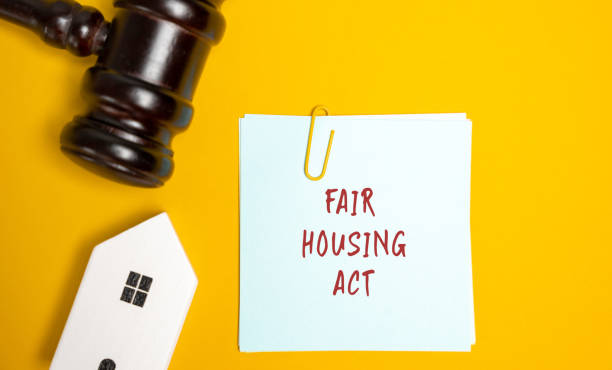
Understanding Fair Housing Laws Multifamily is essential for every property owner involved in rental housing, from small duplexes to large apartment communities. These laws are designed to ensure equal housing opportunities and prevent discrimination in any stage of the rental process, including advertising, tenant screening, leasing, and property management.
For multifamily property owners, compliance is not just a legal requirement but also a key part of running a responsible and successful rental business. Following Fair Housing Laws Multifamily regulations helps reduce legal risks, build tenant trust, and create inclusive communities where everyone has equal access to housing opportunities.
What Are Fair Housing Laws?
Fair housing laws prohibit discrimination in housing-related activities such as renting, selling, advertising, or financing. These laws apply to landlords, property managers, leasing agents, and even real estate investors.
The cornerstone of fair housing regulation in the United States is the Fair Housing Act (FHA), which protects individuals from discrimination based on:
- Race
- Color
- Religion
- Sex
- National origin
- Disability
- Familial status
Why Fair Housing Compliance Matters
Understanding fair housing laws for multi-family property owners is crucial for several reasons:
1. Avoid Legal Penalties
Violations can lead to significant fines, lawsuits, and reputational damage.
2. Build Trust with Tenants
A fair and transparent rental process improves tenant satisfaction and retention.
3. Strengthen Investment Value
Properties that follow ethical standards tend to attract a broader tenant base.
4. Support Inclusive Communities
Fair housing promotes diversity and equal opportunity.
For deeper insights into real estate compliance and investment strategies, visit 👉 Vestio capital.
Key Areas of Compliance for Property Owners
1. Tenant Screening Practices
All applicants must be treated equally. Avoid:
- Setting different standards for different groups
- Asking discriminatory questions
- Rejecting applicants based on protected characteristics
2. Advertising and Marketing
Your property listings must be free from discriminatory language.
Avoid phrases like:
- “Ideal for young professionals”
- “No children”
- “Christian community”
Use inclusive language instead:
- “Spacious 2-bedroom apartment available”
- “Family-friendly amenities”
3. Reasonable Accommodations
Property owners must make reasonable accommodations for tenants with disabilities.
Examples include:
- Allowing service animals (even in no-pet properties)
- Providing reserved parking spaces
- Modifying policies when necessary
For ADA-related housing guidance, visit 👉 Disability Rights Guide.
4. Lease Terms and Conditions
All tenants must receive equal lease terms, including:
- Rent pricing
- Security deposits
- Maintenance services
- Access to amenities
Inconsistent treatment can lead to discrimination claims.
5. Handling Complaints and Disputes
When tenants raise concerns:
- Respond promptly
- Document all interactions
- Treat every complaint equally
Ignoring complaints from certain groups can be seen as discriminatory behavior.
Common Fair Housing Violations to Avoid
Understanding fair housing laws for multi-family property owners also means recognizing common mistakes:
- Refusing to rent to families with children
- Steering tenants toward specific units or neighborhoods
- Setting different rules for different tenants
- Failing to accommodate disabilities
These violations can result in severe legal consequences and financial losses.
Best Practices for Staying Compliant
1. Regular Training
Ensure that all staff members understand fair housing laws and updates.
2. Standardized Processes
Use consistent application forms, screening criteria, and lease agreements.
3. Documentation
Maintain records of:
- Applications
- Communications
- Decisions
4. Legal Consultation
Consult with real estate attorneys or compliance experts when needed.
How Fair Housing Laws Impact Multi-Family Investments
Fair housing compliance directly affects the long-term success of multi-family investments. Investors who prioritize compliance:
- Reduce legal risks
- Enhance property reputation
- Increase occupancy rates
- Build stronger tenant relationships
Additionally, ethical property management aligns with ESG (Environmental, Social, Governance) principles, which are becoming increasingly important in real estate investment decisions.
Future Trends in Fair Housing Compliance
The landscape of fair housing laws continues to evolve. Key trends include:
- Increased enforcement and penalties
- Expansion of protected classes in some regions
- Greater focus on accessibility and inclusivity
- Use of technology in tenant screening (with compliance checks)
Staying informed is essential to remain compliant and competitive.
Conclusion
Understanding fair housing laws for multi-family property owners is not optional—it’s a fundamental part of responsible property management. By following fair housing guidelines, property owners can protect their investments, foster inclusive communities, and avoid costly legal issues.
From tenant screening to advertising and lease management, every aspect of property ownership must align with fair housing principles. With the right knowledge and proactive approach, you can ensure compliance while building a successful and ethical real estate portfolio.