Exercitation ullamco laboris nis aliquip sed conseqrure dolorn repreh deris ptate velit ecepteur duis.
Close
Get in touch
- Monday to Friday: 9am to 6pm
Error: Contact form not found.


How Inflation Trends Continue to Impact Multifamily Investment Returns
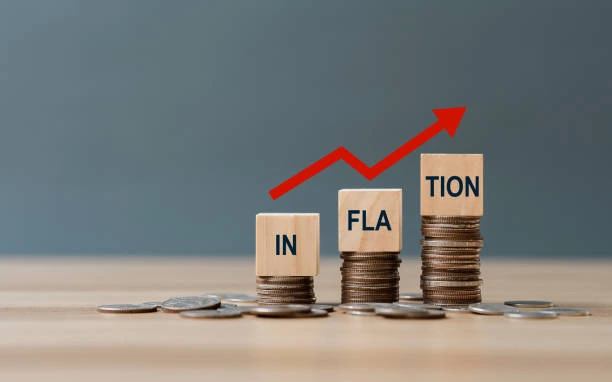
Inflation has become one of the most influential economic forces shaping today’s real estate market. Whether inflation is rising rapidly or gradually cooling, investors continue to evaluate how it affects their portfolios. Understanding How Inflation Trends Continue to Impact Multifamily Investment Returns helps investors make informed decisions while reducing risk and maximizing long-term profits.
Unlike many other asset classes, multifamily real estate has historically demonstrated resilience during inflationary periods. Rental properties often provide opportunities to increase income while maintaining strong demand. However, inflation also increases operating expenses, borrowing costs, insurance premiums, maintenance expenses, and construction costs.
Successful investors understand that inflation creates both opportunities and challenges. By adapting investment strategies and focusing on high-quality multifamily assets, investors can continue generating attractive returns despite changing economic conditions.
Understanding Inflation in Real Estate
Inflation refers to the gradual increase in prices across the economy over time. As goods and services become more expensive, purchasing power declines.
For real estate investors, inflation affects nearly every aspect of property ownership, including:
- Property acquisition costs
- Construction expenses
- Labor costs
- Insurance premiums
- Maintenance expenses
- Utility bills
- Property taxes
- Financing costs
Despite these rising costs, apartment communities often benefit because rental income can adjust more quickly than many other investment types.
According to educational resources from the Urban Land Institute, multifamily housing has historically shown resilience during changing economic cycles because housing remains a basic necessity.
Why Multifamily Investments Often Perform Well During Inflation
One reason investors favor multifamily properties is their ability to generate recurring cash flow.
Unlike office or retail leases that may last several years, apartment leases typically renew every 12 months. This allows property owners to adjust rents based on current market conditions.
Advantages include:
- Faster rental adjustments
- Consistent housing demand
- Multiple income-producing units
- Strong occupancy during economic uncertainty
- Long-term property appreciation
These characteristics help explain How Inflation Trends Continue to Impact Multifamily Investment Returns across different market cycles.
Rental Income Can Offset Inflation
Perhaps the biggest advantage of multifamily investing during inflation is rental income growth.
When inflation increases:
- Housing demand remains strong
- Replacement housing becomes more expensive
- Homeownership affordability declines
- More people choose renting
This increased demand often supports rental rate growth.
Although rent growth rarely matches inflation perfectly every year, steady rental adjustments help protect investor income over time.
Rising Property Values
Inflation frequently contributes to increasing property values.
Replacement costs continue rising because:
- Materials become more expensive.
- Construction labor costs increase.
- Land values appreciate.
- Development becomes more costly.
Existing apartment communities become increasingly valuable as new development becomes harder to finance.
This supply constraint often benefits owners of stabilized multifamily assets.
Higher Operating Expenses
While higher rents create opportunities, expenses also increase.
Common inflation-driven costs include:
- Property management
- Repairs
- HVAC replacement
- Roofing
- Landscaping
- Utilities
- Insurance
- Vendor contracts
Investors who carefully manage expenses preserve stronger net operating income despite rising costs.
Professional asset management becomes increasingly valuable during inflationary periods.
Interest Rates and Financing Challenges
Inflation often leads central banks to increase interest rates.
Higher borrowing costs may result in:
- Reduced purchasing power
- Lower loan proceeds
- Higher monthly debt payments
- Increased capitalization rates
- Longer investment hold periods
Investors who secure fixed-rate financing before interest rate increases often gain significant advantages over competitors relying on floating-rate loans.
Cap Rates and Investment Returns
Capitalization rates play a major role in multifamily investing.
During inflationary environments:
- Rising interest rates may push cap rates upward.
- Property values may temporarily stabilize.
- Investors demand higher returns.
However, strong rental growth can offset some valuation pressure by increasing net operating income.
Understanding these relationships helps investors accurately evaluate opportunities.
Inflation and Cash Flow
Cash flow remains one of the strongest reasons investors continue choosing multifamily properties.
Well-managed apartment communities generate monthly rental income that can increase alongside inflation.
Healthy cash flow helps investors:
- Cover operating expenses
- Pay debt obligations
- Build reserves
- Reinvest profits
- Increase distributions
Stable cash flow becomes especially valuable during uncertain economic periods.
Supply and Demand Continue Supporting Multifamily Housing
Housing shortages remain a significant issue across many U.S. markets.
Higher construction costs slow new apartment development.
Meanwhile:
- Population growth continues.
- Household formation increases.
- Home affordability remains challenging.
- Rental demand stays elevated.
Limited housing supply supports occupancy and rental growth, even when inflation remains persistent.
Industry research from the National Multifamily Housing Council provides additional insight into apartment market fundamentals.
Inflation Makes Replacement Costs Higher
Replacing existing apartment communities becomes increasingly expensive during inflation.
Developers face rising costs for:
- Steel
- Lumber
- Concrete
- Appliances
- Skilled labor
- Engineering
- Permits
These higher replacement costs increase the value of existing multifamily assets.
Investors who already own stabilized communities may benefit from reduced competition from new developments.
Importance of Asset Management
Professional asset management becomes increasingly important during inflation.
Experienced managers focus on:
- Expense reduction
- Vendor negotiations
- Occupancy optimization
- Revenue management
- Capital planning
- Preventative maintenance
These operational improvements help preserve profitability despite increasing costs.
Investors seeking professionally managed multifamily opportunities can learn more through Vestio Capital, which focuses on identifying high-quality multifamily investment opportunities.
Inflation Protection Through Real Assets
Many institutional investors allocate capital toward real estate because physical assets provide long-term inflation protection.
Unlike cash investments, multifamily properties can benefit from:
- Appreciation
- Rental income
- Tax advantages
- Equity growth
These characteristics make apartments attractive during both moderate and elevated inflation environments.
Long-Term Investment Perspective
Short-term market volatility often causes uncertainty.
However, experienced multifamily investors typically focus on:
- Population trends
- Employment growth
- Housing demand
- Cash flow stability
- Long-term appreciation
Inflation may temporarily affect financing and expenses, but quality assets often continue generating attractive long-term returns.
Risk Management Strategies
Successful investors prepare for inflation by:
- Locking in fixed-rate debt
- Maintaining adequate reserves
- Purchasing quality assets
- Monitoring operating expenses
- Investing in strong markets
- Improving operational efficiency
- Reviewing insurance coverage regularly
These strategies improve resilience during changing economic conditions.
Why Investors Continue Choosing Multifamily Real Estate
Even during periods of elevated inflation, multifamily housing continues attracting institutional and private investors.
Reasons include:
- Essential housing demand
- Predictable rental income
- Portfolio diversification
- Inflation protection
- Long-term appreciation potential
- Multiple exit strategies
These benefits explain why multifamily remains one of the most attractive commercial real estate sectors.
Future Outlook
Inflation trends will likely continue influencing investment decisions for years to come.
Although interest rates, operating expenses, and financing conditions may fluctuate, multifamily housing remains supported by strong demographic fundamentals and persistent housing demand.
Investors who carefully evaluate markets, manage expenses effectively, and focus on long-term value creation are better positioned to succeed regardless of changing inflation cycles.
Understanding How Inflation Trends Continue to Impact Multifamily Investment Returns allows investors to adapt to economic shifts while building resilient portfolios that generate both consistent cash flow and long-term appreciation.
Conclusion
Inflation creates both opportunities and challenges for multifamily investors. Rising rents, increasing replacement costs, and strong housing demand often support long-term investment performance, while higher operating expenses and financing costs require disciplined management.
By focusing on quality assets, maintaining efficient operations, and investing with a long-term perspective, investors can continue benefiting from multifamily real estate despite inflationary pressures. As economic conditions evolve, informed decision-making remains the key to preserving and enhancing investment returns.