Exercitation ullamco laboris nis aliquip sed conseqrure dolorn repreh deris ptate velit ecepteur duis.
Close
Get in touch
- Monday to Friday: 9am to 6pm
Error: Contact form not found.


Revenue Maximization Techniques for Holiday Short-Term Rentals
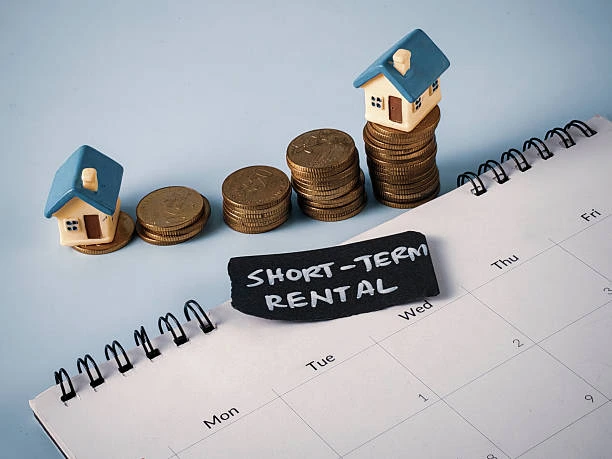
Holiday Rental Revenue Growth is an important goal for vacation rental owners and real estate investors across the United States. Holiday seasons create valuable opportunities to increase bookings, improve occupancy, and generate higher rental income. However, maximizing revenue requires more than simply raising nightly rates during busy travel periods. Property owners need effective pricing strategies, seasonal marketing campaigns, attractive amenities, and excellent guest experiences.
From Thanksgiving and Christmas to New Year’s Eve and Independence Day, travelers search for comfortable accommodations that suit their vacation plans. Owners who understand these seasonal booking patterns can position their properties more competitively. By implementing proven revenue maximization techniques, short-term rental operators can attract more guests, improve profitability, and build sustainable rental businesses.
1. Use Dynamic Pricing to Capture Holiday Demand
Dynamic pricing is one of the most effective ways to increase short-term rental revenue. Instead of maintaining the same nightly rate throughout the year, property owners can adjust prices according to seasonal demand, local events, booking activity, and competitor rates.
For example, a vacation home near Orlando may experience increased demand during Christmas and school holidays. Similarly, properties near mountain destinations, beaches, and national parks may receive more booking requests during long weekends and summer vacations.
Owners should consider these pricing techniques:
- Increase rates during peak periods: Adjust nightly prices when booking demand rises, especially around major holidays.
- Monitor competitor pricing: Compare similar properties in the same location to understand current market rates.
- Adjust weekend prices: Friday and Saturday nights may justify higher rates than weekdays.
- Use minimum and maximum price limits: Protect profitability while remaining competitive.
- Review prices regularly: Update rates as booking patterns and market conditions change.
Platforms such as Airbnb’s pricing tools help hosts manage custom prices, weekend adjustments, and discounts.
A well-planned pricing strategy supports Holiday Rental Revenue Growth because it allows owners to capture stronger demand without relying on one fixed nightly rate.
2. Start Holiday Marketing Campaigns Early
Many travelers begin planning holiday vacations several months before their intended arrival dates. Property owners who wait until the holiday season approaches may miss valuable early booking opportunities.
Early marketing helps rental businesses attract guests before competitors fill their calendars. Owners should create promotional campaigns around important travel periods and highlight the benefits of booking their properties in advance.
Consider these marketing activities:
- Publish holiday-themed content on the property website.
- Share seasonal photographs across social media platforms.
- Promote early booking opportunities.
- Highlight nearby attractions and holiday events.
- Send promotional emails to previous guests.
- Update listing descriptions with relevant seasonal information.
For example, a cabin owner near the Smoky Mountains can promote Christmas decorations, mountain views, fireplaces, and convenient access to winter attractions.
Likewise, a beach rental owner can highlight warm-weather activities, family entertainment, and nearby restaurants during summer holidays.
The marketing message should focus on the experiences guests can enjoy rather than simply advertising an available property. This approach can improve booking interest and strengthen the property’s position in a competitive market.
3. Optimize Property Listings for Better Visibility
An attractive property can still struggle to generate bookings if its online listing does not communicate its value effectively. Strong listing optimization helps potential guests understand what makes a rental worth choosing.
High-quality photography is particularly important. Guests want to see bedrooms, bathrooms, kitchens, living areas, outdoor spaces, and special amenities before making a reservation.
Property owners should focus on the following improvements:
Professional photography: Use bright, clear photographs that accurately represent the property. Include seasonal images when appropriate.
Keyword-focused descriptions: Naturally include phrases that travelers use when searching for holiday accommodations, such as family vacation rentals, Christmas cabins, beachfront homes, and holiday rentals.
Accurate amenity information: Clearly mention Wi-Fi, parking, laundry facilities, entertainment systems, outdoor spaces, and kitchen equipment.
Clear property policies: Explain check-in requirements, cancellation conditions, occupancy limits, and additional charges.
Updated availability: Keep calendars accurate to avoid missed reservations and booking conflicts.
An optimized listing builds trust and helps guests make informed decisions. It also supports stronger conversion rates when combined with competitive pricing.
4. Create Attractive Holiday Packages and Special Offers
Holiday travelers often look for convenience and memorable experiences. Property owners can use special packages to make their rentals more appealing while increasing the total value of each reservation.
Rather than offering large discounts on every booking, owners can create packages that provide additional benefits.
Examples include:
- Christmas decoration packages with festive lighting and seasonal touches.
- Thanksgiving stays with fully equipped kitchens and spacious dining areas.
- New Year’s Eve packages with extended checkout options where practical.
- Family holiday packages with board games and entertainment amenities.
- Romantic getaway packages with special room arrangements.
- Extended-stay discounts for guests booking longer vacations.
These offers can differentiate a property from competing rentals. They also provide opportunities to attract specific guest groups.
However, owners should calculate the cost of each package before introducing it. Additional services, supplies, and cleaning requirements should not reduce the property’s profit unnecessarily.
Strategic promotions can support Holiday Rental Revenue Growth when they encourage more valuable reservations without sacrificing healthy profit margins.
5. Encourage Longer Stays and Reduce Empty Calendar Nights
Short booking gaps can reduce rental profitability, especially when cleaning, maintenance, and turnover expenses remain relatively high.
One effective solution is to encourage longer reservations during appropriate holiday periods. Guests visiting relatives, attending seasonal events, or taking extended vacations may prefer staying for several nights or even weeks.
Property owners can use different booking incentives:
- Offer weekly discounts during slower travel periods.
- Introduce attractive rates for extended holiday stays.
- Adjust minimum-night requirements based on demand.
- Allow shorter reservations when approaching check-in dates.
- Use booking promotions to fill isolated calendar gaps.
For example, a property with an unbooked three-night period between two reservations could benefit from a shorter minimum-stay requirement.
Airbnb provides pricing and discount options that allow hosts to consider weekly and monthly discounts.
The important point is to balance booking length with total revenue. A longer reservation is valuable when its discounted rate still covers operating costs and provides a suitable return.
6. Invest in Amenities That Guests Actually Value
Property upgrades can help increase booking appeal and support stronger nightly rates. However, not every improvement delivers the same financial benefit.
Owners should prioritize amenities that match the expectations of their target travelers.
Popular features for holiday short-term rentals include:
- High-speed internet and comfortable workspaces.
- Fully equipped kitchens.
- Hot tubs and outdoor seating areas.
- Fireplaces and cozy indoor entertainment spaces.
- Smart TVs and streaming access.
- Comfortable mattresses and quality bedding.
- Laundry facilities and convenient parking.
- Family-friendly entertainment and game areas.
For example, families traveling during Thanksgiving may value a large dining area and a functional kitchen. Meanwhile, couples booking a winter getaway may prioritize a fireplace, scenic views, and a private hot tub.
Before investing in expensive upgrades, owners should review guest feedback and compare similar properties in their local market.
A targeted improvement strategy can strengthen guest satisfaction, encourage positive reviews, and contribute to Holiday Rental Revenue Growth over time.
7. Improve Guest Experiences to Generate Repeat Bookings
Guest satisfaction plays a major role in the long-term success of a vacation rental business. Travelers who enjoy their stay are more likely to leave positive reviews, recommend the property, and consider returning.
A smooth guest experience begins before arrival.
Property owners should provide clear booking confirmations, check-in instructions, parking details, and important property information. During the stay, guests should have access to reliable communication and prompt assistance.
Additional ways to improve the guest experience include:
- Preparing the property thoroughly before check-in.
- Providing clean towels, fresh bedding, and essential supplies.
- Offering a simple welcome guide.
- Sharing recommendations for local restaurants and attractions.
- Responding quickly to guest questions.
- Addressing maintenance concerns without unnecessary delays.
Holiday guests may also appreciate thoughtful seasonal touches, such as a welcome basket, festive decorations, or information about nearby celebrations.
These small improvements can create a more memorable stay without requiring significant investment.
8. Use Multiple Booking Channels to Reach More Travelers
Depending entirely on one booking platform can limit a property’s exposure to potential guests. Owners can increase marketing reach by using multiple distribution channels.
Popular platforms include Airbnb, Vrbo, and direct booking websites. Each channel may attract different traveler groups and booking preferences.
A diversified distribution strategy can provide several benefits:
- Reach a wider audience.
- Reduce dependence on one platform.
- Attract different types of travelers.
- Build direct relationships with returning guests.
- Create additional opportunities for repeat reservations.
Owners using multiple platforms should maintain synchronized calendars to prevent double bookings. They should also understand each platform’s commission structure, payment policies, and cancellation rules.
Direct booking websites can provide greater control over the guest relationship. However, owners must invest in website visibility, secure payment processing, customer communication, and appropriate legal compliance.
9. Control Operating Expenses and Monitor Rental Profitability
Maximizing revenue does not automatically mean maximizing profit. Property owners must carefully monitor operating costs to understand how much income remains after expenses.
Common short-term rental expenses include:
- Cleaning and laundry services.
- Property management fees.
- Utilities and internet.
- Maintenance and repairs.
- Insurance.
- Booking platform commissions.
- Guest supplies and amenities.
- Marketing and advertising.
Owners should review these expenses regularly and identify opportunities to improve efficiency without reducing guest satisfaction.
For example, preventive maintenance can help reduce unexpected repair costs. Energy-efficient lighting and appliances may also help manage utility expenses.
It is equally important to understand tax responsibilities. The IRS Publication 527 explains federal tax considerations for residential rental properties, including vacation homes and the allocation of expenses between personal and rental use.
Property owners should consult qualified tax professionals to understand the rules applicable to their individual circumstances.
10. Analyze Market Trends and Make Data-Driven Decisions
Successful holiday rental management requires regular performance analysis. Owners should avoid making pricing and investment decisions based entirely on assumptions.
Important performance indicators include:
Occupancy rate: Measures the percentage of available nights that are booked.
Average Daily Rate (ADR): Shows the average revenue earned per occupied night.
Revenue Per Available Rental Night (RevPAR): Helps evaluate revenue by considering both nightly rates and occupancy.
Average Length of Stay: Measures how long guests typically remain at the property.
Booking Lead Time: Shows how far in advance guests reserve their stays.
Operating Profit Margin: Helps owners understand how much revenue remains after operating expenses.
By reviewing these indicators, property owners can identify profitable travel periods, understand weak booking windows, and adjust their strategies.
For investors evaluating rental property opportunities, market research and financial planning are equally important. Resources and insights from Vestio Capital can help readers explore broader real estate investment considerations and understand the importance of evaluating property performance, market conditions, and long-term investment potential.
11. Prepare for Last-Minute Holiday Booking Opportunities
Not every traveler plans a vacation months in advance. Some guests make reservations only days or weeks before their intended arrival.
Owners can capture this demand by monitoring remaining availability and adjusting their booking policies as check-in approaches.
Useful strategies include:
- Introducing gradual last-minute discounts.
- Reducing minimum-night requirements for suitable open dates.
- Updating availability across booking platforms.
- Promoting open dates through social media.
- Highlighting convenient check-in and property amenities.
However, owners should avoid automatically lowering rates too far. A discounted reservation should still cover cleaning, management, utilities, and other variable expenses.
The objective is to generate additional income from otherwise vacant nights while protecting the property’s overall financial performance.
Conclusion: Build a Sustainable Holiday Rental Revenue Strategy
Maximizing income from holiday short-term rentals in the USA requires a balanced approach to pricing, marketing, property improvements, and guest management. Owners who understand seasonal demand and adapt their strategies throughout the year are better positioned to attract travelers and improve rental performance.
Dynamic pricing, early marketing, optimized listings, attractive packages, longer stays, and excellent guest experiences can all contribute to stronger financial results. At the same time, monitoring expenses and reviewing important performance indicators helps owners protect profitability.
Ultimately, Holiday Rental Revenue Growth should be treated as an ongoing business strategy rather than a seasonal pricing adjustment. By combining market research, operational efficiency, and guest-focused improvements, property owners and investors can create more competitive vacation rentals and build sustainable income opportunities in the US short-term rental market.