Exercitation ullamco laboris nis aliquip sed conseqrure dolorn repreh deris ptate velit ecepteur duis.
Close
Get in touch
- Monday to Friday: 9am to 6pm
Error: Contact form not found.


What to Pack for a Hiking Trip in the Great Smoky Mountains National Park
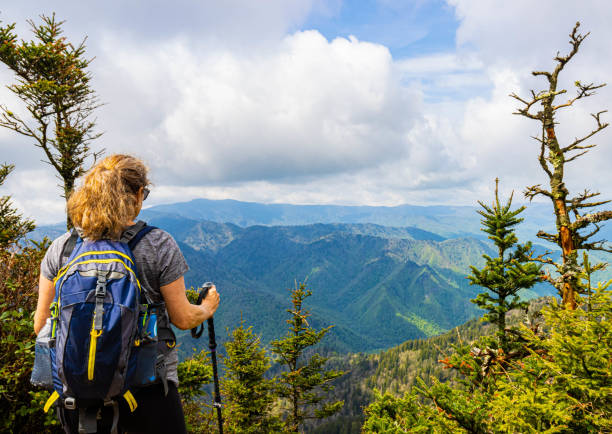
Hiking in the Great Smoky Mountains National Park is an unforgettable adventure — with lush forests, cascading waterfalls, and panoramic mountain views. But the region’s weather and terrain can change rapidly. To make the most of your hike, you must pack strategically. This article breaks down what to pack for a hiking trip in the Great Smoky Mountains National Park so you’re safe, comfortable, and prepared for anything the trail throws your way.
Before we dive into the packing list, remember that every hike is different. A short-day hike requires different gear than a multi‑day backpacking trip. Always check trail conditions and weather before you head out.
🚶♂️ 1. Footwear: Your Foundation on the Trail
Good hiking footwear is non‑negotiable. The right boots or shoes protect your feet, provide traction, and improve balance on uneven terrain.
- Hiking boots: Choose waterproof, high‑ankle boots if you’ll be tackling rugged trails or wet terrain.
- Trail shoes: For easier paths like portions of the Alum Cave Trail, trail runners offer breathability and flexibility.
Packing tip: Break in new footwear before hitting the Smokies. Blisters are a trip‑ruiner!
🧥 2. Clothing: Dress in Smart Layers
The Smokies are known for microclimates — sunny at the trailhead but chilly at higher elevations. Dress in layers so you can adjust easily.
Core Clothing Items:
- Base layer: Moisture‑wicking shirt and underwear
- Insulating layer: Lightweight fleece or down jacket
- Outer layer: Waterproof and breathable shell jacket
- Hiking pants or convertible pants: Quick‑dry materials
- Extra socks: Wool or synthetic hiking socks
Avoid cotton; it stays wet and increases risk of hypothermia.
Pro tip: Even summer hikes can be cool in the early morning. Pack a warm layer.
💧 3. Hydration: Water and Filtration
Water is critical when hiking in the Smokies. You’ll sweat more than you expect, especially on steep ascents like the Charlies Bunion Trail.
Hydration Essentials:
- Water bottles: At least 2 liters per person per day
- Hydration bladder: Easy sip access while hiking
- Water filter or purification tablets: Many backcountry springs are untreated
🍎 4. Nutrition: Fuel for Your Hike
High‑energy snacks help maintain blood sugar and stamina. Pack lightweight, calorie‑dense foods.
Food suggestions:
- Trail mix or nuts
- Energy bars
- Dried fruit
- Sandwiches or wraps
- Electrolyte tablets
Small meals every 60–90 minutes keep your energy steady.
🧭 5. Navigation Tools: Find Your Way
Even well‑marked trails can be confusing. Always bring tools to help you navigate.
Navigation Gear:
- Trail map: Printed or downloaded from sources like AllTrails
- Compass: Works without a signal
- GPS device: Reliable in remote areas
If you’re unfamiliar with map reading, beginner navigation tips are available from the Outdoor Life Guide.
🩹 6. First Aid and Emergency Supplies
Unexpected scrapes, insect bites, or more serious injuries happen. A well‑stocked first‑aid kit can be a lifesaver.
First Aid Kit Must‑Haves:
- Adhesive bandages and moleskin for blisters
- Antiseptic wipes
- Pain relievers
- Tweezers
- Emergency blanket
Also, include a personal locator beacon or GPS messenger if you’re heading deep into backcountry areas.
☀️ 7. Sun Protection and Insect Repellent
Sun exposure and insects are real factors in the Smokies, especially during warmer seasons.
Protection Essentials:
- Wide‑brimmed hat
- UV sunglasses
- Sunscreen (SPF 30+)
- Insect repellent (DEET or picaridin based)
According to the Centers for Disease Control and Prevention, insect repellent and protective clothing significantly reduce tick bites, which can transmit Lyme disease.
📦 8. Backpack: Your Carrying Center
Choosing the right backpack makes organizing gear easier and more comfortable.
Backpack Checklist:
- Daypack (20–30L): For short hikes
- Overnight pack (40–60L): For multi‑day treks
- Comfortable padded straps
- Hip belt to distribute weight
Organize gear in waterproof stuff sacks or zip‑top bags to keep items dry and easy to find.
🔦 9. Optional (But Helpful) Extras
While not essential, these items can improve your trail experience:
- Trekking poles for stability
- Camera for scenic shots
- Lightweight towel
- Notebook and pen
- Portable power bank
🌲 Safety Considerations and Leave No Trace Principles
The Great Smoky Mountains are a treasured natural area. Respecting the environment keeps it beautiful for future hikers.
Key guidelines:
- Stay on marked trails
- Pack out all trash
- Avoid disturbing wildlife
- Camp only in designated areas
For detailed conservation practices, explore Leave No Trace principles.
🧠 Tips for Packing Efficiently
- Make a checklist: Start 2–3 days before departure.
- Lay out items: See everything together to avoid forgetting key gear.
- Test pack weight: Adjust to carry no more than 20–30% of your body weight.
📍 Final Thoughts
Packing for a hiking trip in the Great Smoky Mountains National Park means preparing for variable weather, rugged terrain, and scenic exploration. With the right gear and planning, you’ll be ready to enjoy everything this iconic national park offers.
If you’d like more adventure planning tips or outdoor gear guides, check out Vestio capital — your partner for smarter travel and gear insights.