Exercitation ullamco laboris nis aliquip sed conseqrure dolorn repreh deris ptate velit ecepteur duis.
Close
Get in touch
- Monday to Friday: 9am to 6pm
Error: Contact form not found.


Curb Appeal and Renovation Strategies for Increasing Multi-Family Property Value
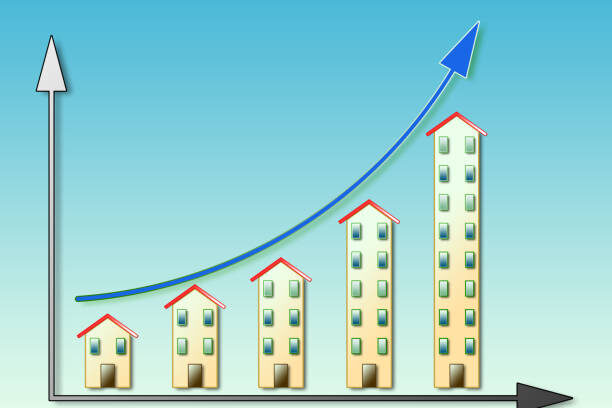
Multifamily curb appeal renovations play a critical role in increasing property value, attracting quality tenants, and improving long-term returns for real estate investors. In competitive rental markets, the way a multi-family property looks and functions often determines how quickly units lease, how much rent they command, and how attractive the asset is to lenders and buyers. From first impressions created by exterior design to strategic interior upgrades, renovations directly influence both perceived and actual value.
Smart renovation strategies go beyond cosmetic improvements. Well-planned upgrades can reduce maintenance costs, improve energy efficiency, and enhance tenant satisfaction—key drivers of net operating income. By focusing on high-impact curb appeal improvements and cost-effective interior renovations, multi-family property owners can strengthen asset performance without overcapitalizing. This guide explores proven renovation strategies that help maximize value while aligning with market demand and long-term investment goals.
Why Curb Appeal Matters for Multi-Family Properties
Curb appeal is the first interaction a potential tenant or investor has with your property. A well-maintained exterior signals professionalism, safety, and quality living standards—three factors that strongly influence leasing decisions.
According to insights shared by the National Association of Realtors, properties with strong curb appeal can increase perceived value by up to 7% compared to similar buildings with neglected exteriors. You can explore more on exterior value impact through their research at the National Association of Realtors.
For multifamily properties, curb appeal doesn’t just attract renters—it reassures lenders, partners, and buyers.
High-Impact Exterior Upgrades That Increase Value
1. Modern Landscaping with Low Maintenance Design
Replacing outdated landscaping with clean, low-maintenance greenery improves appearance while reducing ongoing costs. Native plants, mulch beds, and drip irrigation systems create a polished look and enhance sustainability.
Well-designed landscaping also improves walkability and community feel—two factors that directly influence tenant satisfaction.
Helpful design inspiration can be found at Landscape Architecture Magazine.
2. Exterior Paint and Siding Improvements
Fresh, neutral exterior paint can instantly modernize aging buildings. Light gray, beige, and soft earth tones appeal to a wider demographic and photograph well for listings.
Upgrading siding or repairing visible wear protects the structure while improving aesthetics—an important consideration for long-term asset value.
3. Lighting That Enhances Safety and Style
Exterior lighting is both a safety upgrade and a design element. LED pathway lights, wall-mounted fixtures, and illuminated signage make properties feel secure and upscale.
Energy-efficient lighting solutions also lower utility costs and appeal to environmentally conscious renters.
Interior Renovation Strategies That Drive Higher Rents
4. Kitchen Upgrades with Strong ROI
Kitchens remain one of the most influential spaces for tenants. Even modest upgrades—such as resurfaced cabinets, modern hardware, energy-efficient appliances, and durable countertops—can significantly raise rent potential.
According to Remodeling Magazine’s Cost vs. Value Report, kitchen upgrades consistently rank among the top renovations for return on investment.
5. Durable Flooring for Long-Term Savings
Replacing carpet with vinyl plank or tile flooring improves durability, reduces maintenance, and appeals to modern renters. These materials are ideal for high-traffic units and pet-friendly communities.
They also help maintain consistent aesthetics across multiple units, making turnovers faster and more cost-effective.
6. Bathroom Refreshes That Feel Modern
You don’t need luxury finishes to make bathrooms stand out. Updated fixtures, improved lighting, new mirrors, and water-efficient toilets create a clean, modern look while lowering utility usage.
Even small updates can significantly improve tenant perception and retention.
Shared Amenities That Boost Property Value
7. Community Spaces That Encourage Retention
Renovated common areas—such as lounges, fitness centers, and outdoor seating—help foster community and justify higher rents.
Adding Wi-Fi-enabled workspaces or package lockers aligns with modern tenant expectations and enhances the property’s competitive edge.
8. Smart Property Technology
Smart thermostats, keyless entry, and app-based maintenance systems improve operational efficiency while attracting tech-savvy renters.
These upgrades also help property managers monitor energy usage and reduce long-term costs.
Energy Efficiency as a Value-Add Strategy
9. Sustainable Renovations That Lower Expenses
Energy-efficient windows, improved insulation, and upgraded HVAC systems reduce operating expenses and appeal to environmentally conscious tenants.
Many investors now prioritize green improvements as part of long-term value creation strategies, especially in markets with rising energy costs.
The U.S. Department of Energy offers extensive guidance on energy-efficient upgrades.
Renovation Planning: Avoid Over-Improving
One of the most common mistakes in multifamily renovation is over-improving beyond the market’s rent ceiling. Renovations should always align with neighborhood demographics, comparable properties, and achievable rent increases.
Successful investors focus on functional, scalable improvements rather than luxury upgrades that don’t translate into higher NOI.
Strategic Renovations for Long-Term Investors
Experienced investment firms understand that renovation decisions should support long-term portfolio growth. Companies like Vestio capital focus on value-driven upgrades that balance curb appeal, tenant demand, and operational efficiency—helping properties perform better across market cycles.
Final Thoughts: Turning Renovations into Real Value
Curb appeal and renovation strategies for increasing multi-family property value are most effective when guided by data, market awareness, and long-term vision. From exterior enhancements to interior upgrades and energy efficiency improvements, the right renovations can elevate your property’s performance and appeal.
By focusing on practical improvements with strong ROI, multifamily owners can increase rents, reduce vacancies, and position assets for long-term success—without unnecessary overspending.