Exercitation ullamco laboris nis aliquip sed conseqrure dolorn repreh deris ptate velit ecepteur duis.
Close
Get in touch
- Monday to Friday: 9am to 6pm
Error: Contact form not found.

How to Increase Rents Without Losing Tenants: A Strategic Approach
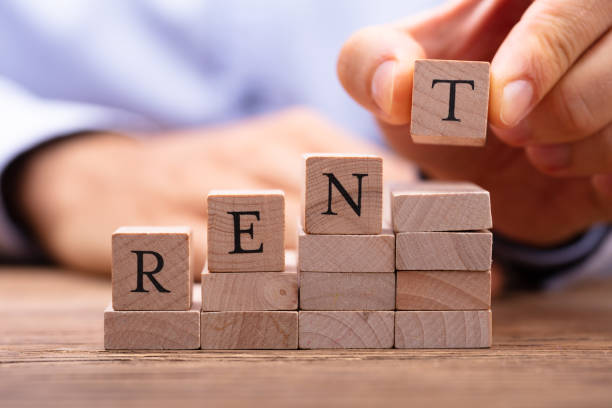
How to increase rents without losing tenants is one of the biggest challenges property owners and managers face in today’s competitive rental market. Rising operating costs make rent increases unavoidable, but poorly planned rent hikes can quickly lead to tenant turnover, vacancy loss, and reduced long-term profitability. The right strategy focuses on data, value creation, and tenant retention—allowing owners to grow income while keeping residents satisfied.
Understand Your Market Before Raising Rents
Before implementing any rent increase, you must understand your local rental market. Market intelligence ensures your pricing aligns with tenant expectations and competitive properties.
Start by reviewing:
- Comparable rental rates in your submarket
- Occupancy trends and absorption rates
- Seasonal demand fluctuations
Platforms like Rent Cafe’s market research tools provide insights into renter behavior and pricing trends that can help owners avoid overpricing.
Raising rents beyond market tolerance is one of the fastest ways to increase tenant churn.
Use Data to Justify Rent Increases
Tenants are far more receptive to rent increases when they are backed by transparent, logical reasons. Data-driven justification builds trust and reduces pushback.
Support your increase with:
- Rising utility or maintenance costs
- Property tax or insurance increases
- Capital improvements or amenity upgrades
According to research shared by Harvard’s Joint Center for Housing Studies, operating expenses have increased steadily across U.S. rental housing, making rent adjustments a necessity rather than a choice.
When tenants understand the why, they are more likely to stay.
Focus on Value, Not Just Price
One of the most effective ways to increase rents without losing tenants is to increase perceived value. Even modest upgrades can justify higher pricing when communicated properly.
High-impact, low-cost value enhancements include:
- Improved lighting and landscaping
- Smart thermostats or keyless entry
- Faster maintenance response times
- Package lockers or upgraded common areas
Studies highlighted by Buildium show that renters prioritize service quality and convenience nearly as much as price.
Tenants don’t leave over rent increases—they leave when they feel they’re no longer getting value.
Implement Incremental Rent Increases
Large, sudden rent hikes are a major driver of tenant turnover. Instead, adopt a gradual, predictable rent growth strategy.
Best practices include:
- Smaller annual increases (3–5%)
- Multi-year lease options with locked-in rates
- Advance notice well beyond legal minimums
Gradual increases feel manageable and fair, reducing the emotional shock that often leads tenants to start searching elsewhere.
Reward Tenant Loyalty
Retaining a long-term tenant is far more cost-effective than replacing one. According to NMHC, turnover costs can exceed several months of rent.
Consider loyalty-based incentives such as:
- Renewal discounts
- Free carpet cleaning or unit refresh
- Waived fees for long-term residents
Companies like Vestio Capital emphasize long-term tenant relationships as a core driver of sustainable rent growth, aligning income performance with resident satisfaction
👉
Retention-focused strategies protect both cash flow and brand reputation.
Communicate Early, Clearly, and Empathetically
How you communicate a rent increase matter just as much as the increase itself.
Effective communication should:
- Be proactive, not reactive
- Clearly explain the reason for the increase
- Highlight improvements and benefits
- Offer options, not ultimatums
According to Apartment List, renters who receive clear, respectful communication are significantly more likely to renew—even after a rent increase.
Tone matters. Transparency builds trust.
Offer Flexible Lease Structures
Flexibility is a powerful retention tool. Instead of a one-size-fits-all rent increase, consider offering multiple lease options.
Examples include:
- Lower increase for longer lease terms
- Month-to-month flexibility at a premium
- Deferred increases tied to renewal timing
This approach empowers tenants to choose what works best for them—reducing friction while still protecting revenue.
Improve the Resident Experience
A strong resident experience offsets price sensitivity. Tenants are more tolerant of rent increases when they feel heard, valued, and supported.
Ways to enhance experience:
- Faster maintenance response times
- Resident events or digital communities
- Online payment and service portals
According to Forbes Real Estate Council, properties that prioritize experience outperform competitors in both retention and rent growth
👉
Happy tenants stay longer—even at higher rents.
Monitor Results and Adjust
After implementing rent increases, closely monitor:
- Renewal rates
- Vacancy duration
- Tenant feedback
If you see unexpected churn, adjust your strategy quickly. Rent optimization is not static—it requires continuous refinement.
Technology platforms like Yardi help owners track performance metrics and tenant behavior in real time.
Data-backed adjustments keep revenue growing without sacrificing stability.
Final Thoughts: Sustainable Rent Growth Is Strategic
Increasing rents without losing tenants is not about squeezing maximum short-term income—it’s about building long-term value. By combining market data, transparent communication, incremental increases, and a strong focus on resident experience, property owners can grow revenue while maintaining high occupancy.
The most successful operators understand that tenants are partners in profitability. When rent growth is fair, justified, and value-driven, retention follows naturally.