Exercitation ullamco laboris nis aliquip sed conseqrure dolorn repreh deris ptate velit ecepteur duis.
Close
Get in touch
- Monday to Friday: 9am to 6pm
Error: Contact form not found.

Implementing Smart Technology in Multi-Family Rentals for Higher ROI
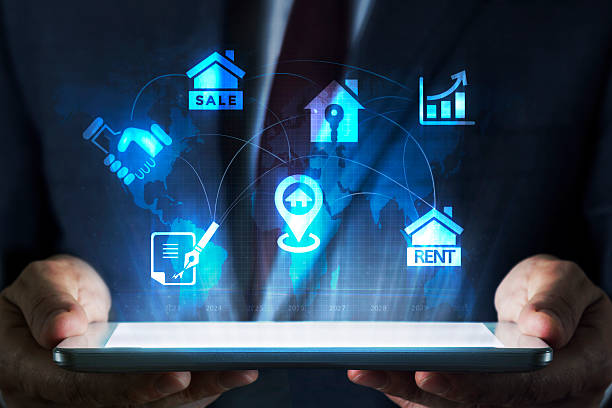
Smart tech in rentals is revolutionizing multi-family properties by enhancing convenience, security, and energy efficiency. Landlords who integrate smart devices and automation not only reduce operating costs but also increase ROI, attract tech-savvy tenants, and create a competitive edge in the rental market.
Why Smart Tech Matters for Multifamily Rentals
Modern renters — especially younger, tech‑savvy demographics — increasingly expect convenience, security, and energy efficiency in their homes. By delivering on those expectations, property owners can differentiate their offerings and justify premium rents. According to a study by a leading smart‑home‑rental platform, 65% of renters are willing to pay extra for smart features, translating to a rent uplift of $25 to over $100 per unit per month, depending on the market (Rently study).
Moreover, smart technology isn’t just a tenant perk — it is a tool to optimize operations, reduce expenses, and ultimately boost the Net Operating Income (NOI) of a property.
Key Smart Features That Drive ROI
Here are some of the most impactful smart solutions for multi-family rentals:
- Smart Locks & Keyless Entry Systems — Allow access via smartphone apps or codes, eliminating the hassle of lost keys, reducing re-keying costs, and offering convenience for both tenants and maintenance teams.
- Smart Thermostats & Automated Climate Control — Automatically adjust heating/cooling based on occupancy, reduce energy waste, and significantly lower utility bills, particularly in common areas or vacant units.
- Smart Lighting & Sensor‑Based Controls — Motion‑activated or scheduled lighting can cut electricity costs and improve tenant satisfaction.
- Leak Detection & Automated Maintenance Alerts — Early detection of water leaks or faulty systems avoids costly repairs, reduces emergency maintenance, and helps preserve property value over time.
- Centralized Building Management Systems (BMS) & IoT Integration — Enables remote monitoring and control of various building systems (security, energy, maintenance), streamlining operations while reducing staffing needs and administrative overhead.
Quantifiable Benefits — What the Data Shows
- Properties with smart home upgrades often see a 3–5% increase in overall property value and an average ROI of 30%, according to industry reports.
- Energy cost savings of 18–20% annually are common when smart thermostats and automated lighting are installed in multifamily buildings.
- Maintenance and operational efficiency improve significantly — some buildings report a 20–30% reduction in maintenance costs and a 20% boost in staff efficiency after implementing smart access and automation.
- Enhanced tenant satisfaction and retention — smart amenities are often among the top reasons renters renew their leases, reducing vacancy and turnover costs.
- Faster leasing cycles — in competitive markets, smart-enabled apartments lease more quickly, reducing vacancy periods and improving cash flow.
Operational Advantages Beyond Rent
Smart technology doesn’t just elevate rent rolls — it transforms how properties are managed. For instance:
- Smart access and remote entry reduce the administrative burden of key distribution, re-keys, and lockouts. This saves time for property management teams and minimizes staffing costs.
- Automation and sensor-based maintenance allow for predictive upkeep, catching issues before they escalate into larger problems. That protects your assets and reduces the likelihood of costly surprises.
- Energy and resource efficiency — through thermostats, lighting, and water‑management systems — also supports sustainability goals, which can appeal to environmentally conscious renters and investors alike.
Getting Started — A Smart Implementation Strategy
To reap the full benefits, a thoughtful, phased approach works best. Here’s a roadmap:
- Audit existing infrastructure — assess WiFi coverage, wiring, communal utilities, and building layout to understand feasibility.
- Prioritize high-impact upgrades — start with smart locks, thermostats, and leak detection — features that deliver strong ROI and immediate tenant value.
- Integrate building‑wide systems — once unit-level upgrades are successful, evaluate common-area automation (lighting, HVAC, BMS) for broader efficiencies.
- Monitor metrics closely — track energy costs, maintenance hours, vacancy/occupancy rates, resident satisfaction to evaluate ROI over time.
- Market the upgrades aggressively — use smart amenities as a key differentiator in listings and marketing to command higher rents and attract quality tenants.
Why This Matters for Investors & Operators
In a competitive real estate environment, properties that offer modern conveniences and operational efficiency set themselves apart. Smart-enabled rentals attract tenants willing to pay more, reduce operating expenses, lower maintenance burdens, and ultimately enhance the value and profitability of the asset.
Moreover, integrating smart technology isn’t just about short-term gains — it’s about future-proofing properties. As tenant expectations evolve and energy regulations tighten, smart upgrades help ensure your property remains relevant, efficient, and desirable for years to come.
Real‑World Example: A Smarter Investment Story
A multifamily operator that upgraded a 300‑unit building with smart locks, thermostats, and energy management reported a 20% annual reduction in energy costs, 10–15% faster lease-ups, and a noticeable increase in lease renewals. Within three years, the initial investment in smart upgrades paid back through rent premiums, cost savings, and reduced maintenance.
Another case showed that water‑leak sensors prevented multiple costly plumbing incidents — saving tens of thousands in repair costs and avoiding tenant complaints and potential liability.
Both examples highlight how smart technology adds real, measurable value.
Conclusion
Implementing smart home technology in multi‑family rentals is no longer a speculative trend — it is a proven strategy to increase rental income, reduce costs, streamline operations, and boost property value. For landlords and investors seeking higher ROI and long-term asset strength, the case for smart upgrades is compelling.
To explore how smart-home automation can transform your portfolio, check out this in‑depth resource on smart home automation for multifamily properties by Vestio Capital: smart‑home automation insight