Exercitation ullamco laboris nis aliquip sed conseqrure dolorn repreh deris ptate velit ecepteur duis.
Close
Get in touch
- Monday to Friday: 9am to 6pm
Error: Contact form not found.

How to Optimize Multi-Family Property Operations for Maximum Profitability
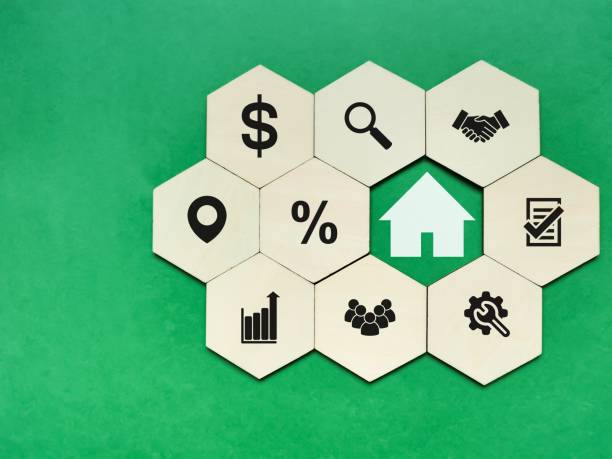
To optimize multi-family operations effectively, property owners must streamline management, reduce costs, and enhance tenant satisfaction. This strategy is essential to achieving maximum profitability in multi-family properties. From small apartment complexes to large multi-unit buildings, following proven operational practices ensures steady cash flow and long-term growth.
1. Establish Strong Foundations: SOPs, Accounting & Financial Planning
Consistency is key to profitable property management. Implement Standard Operating Procedures (SOPs) for tenant screening, rent collection, maintenance scheduling, and dispute resolution. This ensures smooth operations and reduces mistakes.
Accurate accounting and budgeting are also essential. Maintain detailed financial records, reconcile accounts regularly, and keep reserves for unexpected expenses. Reliable financial tracking allows you to monitor metrics like net operating income (NOI), maintenance costs, and vacancy rates.
2. Leverage Technology & Outsourcing
Modern property management benefits significantly from technology. Cloud-based software can automate rent collection, maintenance requests, and financial reporting, saving both time and money.
Outsourcing non-core functions like after-hours maintenance, accounting, or compliance support allows your team to focus on higher-value tasks, such as tenant engagement and property upgrades. Combining automation with strategic outsourcing enables scaling without increasing overhead.
3. Prioritize Preventive Maintenance & Cost-Reducing Upgrades
Preventive maintenance is one of the most effective ways to protect profits. Routine inspections for HVAC systems, plumbing, roofing, and appliances prevent costly emergencies.
Energy-efficient upgrades like LED lighting, smart thermostats, low-flow fixtures, and improved insulation reduce operating costs and increase NOI over time. Even renewable energy options like solar panels can create long-term savings or additional income.
4. Enhance Tenant Experience & Retention
Tenant retention is a major factor in profitability. Reducing turnover saves marketing costs and maintains steady cash flow. Strategies to improve retention include online lease applications, digital maintenance portals, virtual tours, and modern conveniences like package lockers or co-working spaces.
Providing a positive living experience is crucial. For strategies on tenant satisfaction, check proven retention techniques. Clear communication and fair enforcement of rules help create a safe, respectful community.
5. Diversify Revenue Streams
Relying solely on rent can limit profitability. Consider value-added services such as:
- On-site storage units
- Furnished corporate or short-term rental units
- Pet fees or monthly pet rent
- Optional smart-home or tech packages for tenants
These additional income streams often have higher margins and increase cash flow without significant extra effort.
6. Ensure Compliance & Professional Management
Good management requires clear lease agreements, transparent communication, and compliance with local rental laws. Clearly outline rent schedules, maintenance responsibilities, and community rules. For more on legal and operational compliance, visit property management best practices.
Professional property management teams ensure timely maintenance, quick issue resolution, and reliable tenant support. This approach reduces vacancies and improves tenant satisfaction.
7. Adopt a Long-Term Strategy & Continuous Improvement
The multi-family market evolves constantly. To maintain profitability, treat your property as a long-term investment. Regularly review key performance indicators like NOI, occupancy rates, and maintenance costs.
Invest in upgrades and amenities aligned with tenant preferences. Continuous improvement ensures higher occupancy, better rents, and stronger property value over time.
For further guidance on investment strategies and professional resources, consider consulting Vestio Capital for insights on maximizing multi-family property performance.
Conclusion
Optimizing multi-family property operations is not just about cost-cutting — it’s about creating a scalable, tenant-friendly, and data-driven business. By implementing structured processes, leveraging technology, investing in maintenance, enhancing tenant experience, and exploring additional revenue streams, property owners can achieve maximum profitability and long-term growth.