Exercitation ullamco laboris nis aliquip sed conseqrure dolorn repreh deris ptate velit ecepteur duis.
Close
Get in touch
- Monday to Friday: 9am to 6pm
Error: Contact form not found.


How to Identify and Execute Value-Add Opportunities in Multi-Family Properties
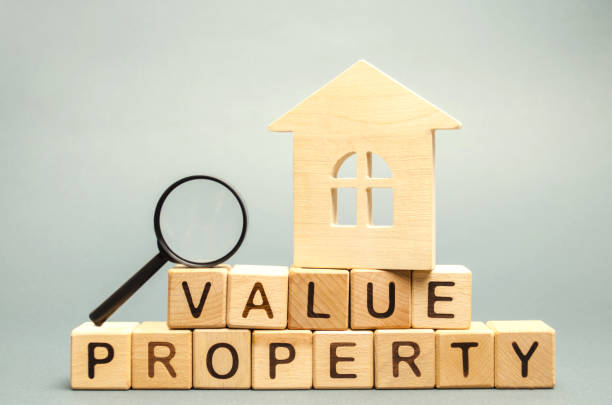
How to identify and execute value‑add opportunities in multi-family properties is a critical skill for real estate investors looking to increase net operating income (NOI) and long-term property value. Unlike stabilized assets that generate steady returns, value-add properties require physical, operational, or managerial improvements to unlock their full potential. This guide walks investors through actionable steps and real-world strategies, including insights from Vestio capital, to help maximize multi-family property performance.
What Is a Value‑Add Property?
A value‑add property is a real estate asset that has untapped potential; with thoughtful enhancement, these assets can generate higher income and increased valuation. In multi‑family real estate, value‑add opportunities often come from underperforming properties — whether due to outdated physical conditions, inefficient management, or suboptimal marketing.
Investors pursuing this strategy are typically willing to take on moderate to significant renovations or operational changes in exchange for higher returns over time.
1. Conduct Deep Market Research
The foundation of identifying value‑add opportunities begins with thorough market research. Understanding local trends helps you pinpoint neighborhoods and specific properties with high upside potential.
- Evaluate job growth and demographic trends: Strong employment markets and population influx often correlate with rental demand. Tools such as the U.S. Census Bureau’s QuickFacts can illuminate demographic shifts.
- Compare rental rates and occupancy trends: Platforms like Zillow Research housing data provide insights on rental pricing and vacancy changes by region.
- Study future development plans: City planning resources often reveal infrastructure developments that can boost property values. For example, transit expansions or new business hubs can increase desirability.
By synthesizing this information, you can better predict where demand will grow and identify assets that stand to benefit most from improvements.
2. Identify Underperforming Assets
An underperforming multi‑family property shows signs of inefficient income generation relative to market benchmarks.
Common red flags include:
- Low occupancy compared to neighborhood averages
- Outdated or poorly maintained units
- Weak property management or tenant services
- Inefficient use of space or utilities
Investors often use financial analysis tools like Argus Enterprise to model cash flow and assess potential returns after renovations. This helps estimate both short‑term disruption and long‑term performance enhancements.
3. Analyze Financials and Set Targets
Once you’ve identified potential properties, evaluate their historical and projected financial performance.
Key financial metrics to consider:
- Net Operating Income (NOI): The most critical metric in value‑add strategy, NOI reflects revenue after operating expenses but before debt service and taxes.
- Capital Expenditures (CapEx): These are costs associated with improvements. Detailed budgeting is essential to prevent overspending.
- Internal Rate of Return (IRR) and Cash‑on‑Cash Return: These benchmarks help compare potential investments against your investment goals.
Create conservative and aggressive forecasts to capture a range of possible outcomes. Consider working with experienced commercial real estate analysts to validate assumptions.
4. Plan Renovations Strategically
A renovation plan should balance capital investment with potential rent increases and tenant satisfaction.
Types of Value‑Add Enhancements:
- Interior unit upgrades: Modernizing kitchens, bathrooms, flooring, and appliances can justify higher rents and attract quality tenants.
- Exterior improvements: Facade enhancements, landscaping, and modern common areas improve curb appeal.
- Amenity additions: Community features like gyms, coworking spaces, or package lockers add value and appeal.
- Energy efficiency upgrades: Installing energy‑efficient windows or HVAC systems can reduce operating costs and appeal to eco‑conscious renters.
Before committing to renovations, review financial guidelines on return potential from sources like the National Apartment Association.
5. Secure Financing
Financing value‑add opportunities often requires a combination of debt and equity. Traditional lenders may offer favorable terms for stabilized properties, but value‑add deals might need more flexible partners.
Financing options include:
- Bridge loans: Short‑term financing for properties undergoing renovation.
- Construction loans: Useful if extensive remodeling or expansion is planned.
- Private equity and syndication deals: Partnering with investors to raise equity can spread risk and increase buying power.
Evaluating lender requirements, interest rates, and payout timelines will ensure your renovation strategy aligns with the financial structure.
6. Implement Effective Property Management
Operational improvements can be just as impactful as physical enhancements.
Best practices include:
- Hiring experienced property managers who understand your local market.
- Using property management software to streamline leasing, maintenance, and tenant communication.
- Implementing tenant retention programs and responsive maintenance teams.
Effective management increases tenant satisfaction, reduces turnover, and ultimately improves NOI.
7. Market to the Right Tenant Base
Marketing strategy plays a crucial role in occupancy and rent growth. Use data‑driven insights to target tenants who value the upgrades and amenities you’ve invested in.
Platforms like Apartments.com and Rent Cafe can boost visibility, while targeted social media advertising helps reach ideal tenant demographics.
8. Monitor and Optimize Post‑Renovation Performance
After renovations and management improvements are implemented, track key performance indicators:
- Rent growth and lease renewal rates
- Occupancy levels
- Maintenance costs
- Tenant feedback and retention rates
Continuous optimization ensures that value‑add strategies translate into sustained financial performance. For best practices on property performance tracking, see articles by Bigger Pockets real estate investing community.
9. Know When to Hold or Sell
A critical part of executing a value‑add strategy is timing your exit — or deciding to hold for further appreciation.
Consider selling when:
- NOI has stabilized and meets or exceeds target projections
- Market valuations are high
- You can redeploy capital into new value‑add opportunities
Holding might be optimal when long‑term cash flow and market fundamentals suggest continued growth.
Conclusion
Identifying and executing value‑add opportunities in multi‑family properties requires thorough market research, financial analysis, strategic renovations, and proactive management. By following a structured approach, investors can unlock significant value and achieve impressive returns.
For expert assistance on evaluating and acquiring value‑add multi‑family properties, explore Vestio capital’s investment services. Their team offers nuanced insight into multi‑family investing that helps investors navigate complex opportunities.